
Best Fire Extinguishers (2026)
Keep a certified fire extinguisher within reach in your van, workshop, or site cabin. We have compared the best Kitemarked and BSI-approved options for UK tradespeople.

A fire extinguisher in your van or workshop is not just good practice, it can be a legal requirement on many UK job sites. We have compared Kitemarked and BSI-certified dry powder, foam, and aerosol extinguishers in 1kg to 4kg sizes, evaluating discharge time, fire class coverage, mounting options, and shelf life for vehicles, garages, and site cabins.
Keep a certified fire extinguisher within reach in your van, workshop, or site cabin. We have compared the best Kitemarked and BSI-approved options for UK tradespeople.
Quick Answer
For most vans and work vehicles, a 1kg or 2kg ABC dry powder extinguisher is the usual pick. Powder copes with solid, liquid and electrical fires, which suits a cab where you can't predict what'll go up. Look for EN3 conformity and ideally a BSI Kitemark, so you know it meets the recognised UK standard.
Best for HGV Drivers
9 reviewedHeavy goods vehicle drivers operating Class 1 and Class 2 vehicles across long-haul and regional routes, needing gear that handles cab vibration, overnight stops, and all-weather motorway conditions
Read GuideBest for Electricians
10 reviewedQualified electricians working in domestic and commercial settings, dealing with tight spaces, poor lighting, and non-conductive gear requirements while driving between multiple jobs daily
Read GuideBest for Plumbers
10 reviewedPlumbers and heating engineers working in domestic and commercial properties, regularly dealing with wet environments, cramped cupboards, and emergency winter callouts that demand waterproof, durable gear
Read GuideBest for Builders
8 reviewedGeneral builders and construction workers on residential and commercial sites, facing rain, dust, heavy impacts, and strict CDM safety regulations that demand tough, compliant gear
Read GuideBest for Roofers
4 reviewedRoofing contractors working at height on residential and commercial buildings, exposed to wind and rain with no shelter, needing lightweight gear that stays secure on ladders and wet tiles
Read GuideBest for Scaffolders
4 reviewedScaffolding erectors and dismantlers working at height, hauling heavy steel tubes and fittings all day in one of the most physically demanding trades in construction
Read GuideBest for Carpenters
6 reviewedCarpenters and joiners splitting time between workshops and on-site installations, battling sawdust, sharp edges, and the need for precision while carrying expensive power tools in their vans
Read GuideBest for Painters & Decorators
7 reviewedPainters and decorators working in residential and commercial properties, needing easy-clean gear that survives paint splashes and white spirit while looking professional in occupied homes
Read GuideBest for Locksmiths
2 reviewedEmergency and residential locksmiths working alone at unsociable hours, often arriving at dimly lit properties at night where personal safety, focused lighting, and compact portable gear are essential
Read GuideBest for Landscape Gardeners
2 reviewedLandscape gardeners and groundskeepers working exclusively outdoors year-round, battling mud, rain, and heavy machinery vibration while needing fully waterproof boots and gear that cleans easily
Read GuideBest for Delivery Drivers
6 reviewedParcel, food, and goods delivery drivers using vans and cars, making dozens of stops daily in all weather and needing gear that handles constant engine restarts and slip-prone doorsteps
Read GuideBest for Van Drivers
10 reviewedCommercial van drivers operating medium-sized vehicles on congested urban streets and tight residential roads, carrying valuable tools that make parking mode dashcams and vibration-resistant mounts essential
Read GuideBest for Taxi Drivers
5 reviewedLicensed taxi and private hire drivers pulling long 10-12 hour shifts, needing discreet dual-facing dashcams for passenger dispute protection and gear built for all-day comfort and night driving
Read GuideBest for Ford Transit
7 reviewedFord Transit — the UK's most popular commercial van with over 400,000 on the road, offering wide accessory compatibility and straightforward dashcam hardwire installations via well-documented fuse slots
Read GuideBest for Mercedes Sprinter
5 reviewedMercedes Sprinter — premium large commercial van favoured by fleet operators and tradespeople needing bigger payloads, with a more complex CAN-bus electrical system that requires careful dashcam hardwiring
Read GuideBest for Mitsubishi Outlander PHEV
1 reviewedMitsubishi Outlander PHEV — popular plug-in hybrid SUV for tradespeople, with a dual-power electrical system that causes dashcam restarts when switching between petrol and EV mode unless properly hardwired
Read GuideBest for Citroen Berlingo
6 reviewedCitroen Berlingo — compact commercial van popular with electricians, plumbers, and locksmiths for urban work, with a smaller windscreen that needs careful dashcam placement and compact camera models
Read GuideAll Fire Extinguishers We've Reviewed

Kidde KS2KG Multi Purpose 2kg ABC Fire Extinguisher
4.5/5 (3,200 reviews)
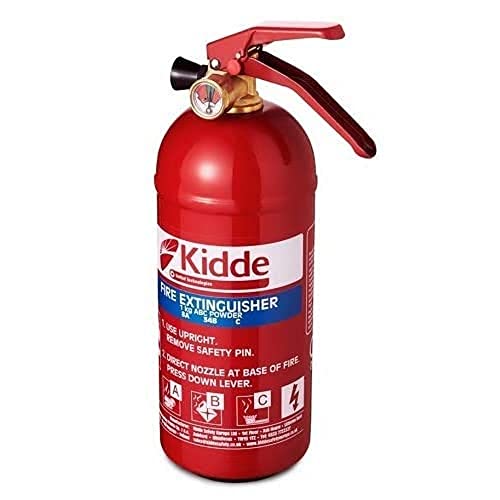
Kidde KS1KG Multi Purpose 1kg ABC Fire Extinguisher
4.4/5 (2,650 reviews)

FSS UK 1kg ABC Dry Powder Fire Extinguisher BSI Kitemarked
4.4/5 (5,800 reviews)

FireShield PRO 2kg ABC Dry Powder Fire Extinguisher
4.5/5 (2,400 reviews)

FireShield 4-in-1 1kg Dry Powder ABC Fire Extinguisher
4.3/5 (1,870 reviews)
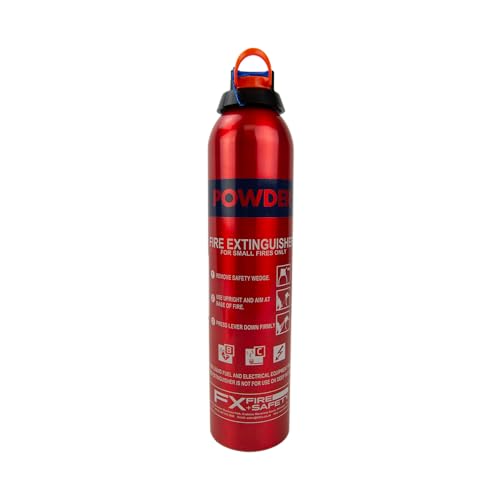
AA 950g BC Powder Fire Extinguisher
4.3/5 (1,640 reviews)

FSS UK 1kg Fire Extinguisher with Fire Blanket
4.5/5 (3,200 reviews)

Firechief 600g BC Powder Aerosol Fire Extinguisher
4.2/5 (1,380 reviews)

Kidde KSPD2G Multi-Purpose 2kg ABC Powder Extinguisher
4.6/5 (1,820 reviews)

FireShield 4kg ABC Dry Powder Workshop Fire Extinguisher
4.4/5 (980 reviews)
How to Choose Fire Extinguishers: Buying Guide
Picking an extinguisher for a van isn't complicated, but a few things are worth getting right. Fires are sorted into classes, and each extinguisher type only tackles some of them. Get the wrong one and you've got a heavy red bottle that does nothing when it matters.
UK fire classes, plainly
Class A is solid stuff like wood, paper and fabric. Class B is flammable liquids such as petrol, diesel and paint thinners. Class C is flammable gases. Class F is cooking oils and fats. Electrical fires sit slightly outside the lettering, but they're a real risk around tools, batteries and chargers.
Extinguisher types and what each one handles
- Dry powder (ABC) covers A, B and C plus electrical. It's the all-rounder, which is why it dominates vehicle kit.
- Foam handles A and B and is cleaner, but it's bulkier and not ideal for the temperature swings in a parked van.
- CO2 is good on electrical and liquid fires and leaves no mess, but it doesn't touch solids.
- Water is Class A only, no good for fuel or electrics.
- Wet chemical is the Class F cooking-oil option, more of a kitchen thing than a van thing.
Why powder wins in a van
You rarely know what's burning until it's burning. Powder's broad coverage means one bottle deals with most of what you'd realistically face on the road or on site. The trade-off is mess. It leaves a fine, corrosive residue that gets everywhere, so it's a last resort, not something to discharge casually. The owner reviews we cross-reference flag the residue every time, and they're right to.
Size and weight
1kg units like the FSS UK 1kg Kitemarked or Kidde KS1KG suit a cab, tucking into a door pocket or under a seat. 2kg models such as the Kidde KSPD2G or FireShield PRO 2kg give you more to work with if there's room. A 4kg unit is workshop or depot territory, too big to rattle around a cab.
What "approved" actually means
EN3 is the European manufacturing standard for portable extinguishers. The BSI Kitemark goes a step further: independent testing and ongoing checks, and it's the mark UK buyers and many insurers recognise. CE marking alone is a lower bar. If certification matters to you, look for the Kitemark specifically.
Mounting, service life and gauge checks
A bracket keeps the bottle secure so it isn't loose in a crash. Several units, including the FireShield models, ship with one. Glance at the pressure gauge regularly and keep the needle in the green. Powder extinguishers generally last around five years before replacement, though servicing intervals vary, so check the maker's guidance.
One caveat: rules and expectations differ by trade, vehicle type and policy. Check current regulations and what your insurer requires before you rely on any single unit.
We don't physically test extinguishers or set off fires. Our picks come from researching manufacturer specs, EN3 and BSI Kitemark certification details, and cross-referencing hundreds of owner reviews to flag real-world issues like residue and bracket quality. For anything safety-critical, always check current regulations and your insurer's requirements.
Frequently Asked Questions
For an ordinary work van in the UK, there's usually no blanket legal requirement to carry one. That said, some insurers, fleet operators or site rules expect it, and it's plain common sense around fuel, tools and batteries. Requirements change depending on what you carry and where you work, so check current regulations and your own policy rather than assuming.