
Best Thermal Workwear (2026)
Beat the cold without bulky layers slowing you down. We have compared the best thermal jackets, base layers, and heated workwear for tradespeople working through the UK winter.

When you are working outdoors through a British winter, thermal workwear makes the difference between a productive shift and a miserable one. We have compared insulated jackets, fleece mid-layers, merino base layers, and heated gilets from brands like Scruffs, Snickers, and Portwest, rating them on warmth-to-weight ratio, moisture wicking, freedom of movement, and durability after repeated washes.
Beat the cold without bulky layers slowing you down. We have compared the best thermal jackets, base layers, and heated workwear for tradespeople working through the UK winter.
Quick Answer
Start with a base layer and build up: the Scruffs Pro Base Layer Top at around £25 and Scruffs Pro Base Layer Bottoms at around £25 wick sweat off your skin, which is what keeps you warm once you stop moving. Over that, the Portwest S463 Hi-Vis Winter Bomber Jacket at around £50 is the outer layer to beat for site work, and it carries EN 342 cold-protection certification rather than a warmth claim. Drivers who go from cab to kerb all day want less bulk: the Portwest F300 Hi-Vis Reflective Fleece Jacket at around £25 under a shell is the better combination.
Best for HGV Drivers
8 reviewedHeavy goods vehicle drivers operating Class 1 and Class 2 vehicles across long-haul and regional routes, needing gear that handles cab vibration, overnight stops, and all-weather motorway conditions
Read GuideBest for Electricians
10 reviewedQualified electricians working in domestic and commercial settings, dealing with tight spaces, poor lighting, and non-conductive gear requirements while driving between multiple jobs daily
Read GuideBest for Plumbers
10 reviewedPlumbers and heating engineers working in domestic and commercial properties, regularly dealing with wet environments, cramped cupboards, and emergency winter callouts that demand waterproof, durable gear
Read GuideBest for Builders
10 reviewedGeneral builders and construction workers on residential and commercial sites, facing rain, dust, heavy impacts, and strict CDM safety regulations that demand tough, compliant gear
Read GuideBest for Roofers
10 reviewedRoofing contractors working at height on residential and commercial buildings, exposed to wind and rain with no shelter, needing lightweight gear that stays secure on ladders and wet tiles
Read GuideBest for Scaffolders
9 reviewedScaffolding erectors and dismantlers working at height, hauling heavy steel tubes and fittings all day in one of the most physically demanding trades in construction
Read GuideBest for Carpenters
6 reviewedCarpenters and joiners splitting time between workshops and on-site installations, battling sawdust, sharp edges, and the need for precision while carrying expensive power tools in their vans
Read GuideBest for Painters & Decorators
9 reviewedPainters and decorators working in residential and commercial properties, needing easy-clean gear that survives paint splashes and white spirit while looking professional in occupied homes
Read GuideBest for Locksmiths
1 reviewedEmergency and residential locksmiths working alone at unsociable hours, often arriving at dimly lit properties at night where personal safety, focused lighting, and compact portable gear are essential
Read GuideBest for Landscape Gardeners
10 reviewedLandscape gardeners and groundskeepers working exclusively outdoors year-round, battling mud, rain, and heavy machinery vibration while needing fully waterproof boots and gear that cleans easily
Read GuideBest for Delivery Drivers
10 reviewedParcel, food, and goods delivery drivers using vans and cars, making dozens of stops daily in all weather and needing gear that handles constant engine restarts and slip-prone doorsteps
Read GuideBest for Van Drivers
7 reviewedCommercial van drivers operating medium-sized vehicles on congested urban streets and tight residential roads, carrying valuable tools that make parking mode dashcams and vibration-resistant mounts essential
Read GuideBest for Taxi Drivers
5 reviewedLicensed taxi and private hire drivers pulling long 10-12 hour shifts, needing discreet dual-facing dashcams for passenger dispute protection and gear built for all-day comfort and night driving
Read GuideBest for Ford Transit
5 reviewedFord Transit — the UK's most popular commercial van with over 400,000 on the road, offering wide accessory compatibility and straightforward dashcam hardwire installations via well-documented fuse slots
Read GuideBest for Mercedes Sprinter
5 reviewedMercedes Sprinter — premium large commercial van favoured by fleet operators and tradespeople needing bigger payloads, with a more complex CAN-bus electrical system that requires careful dashcam hardwiring
Read GuideBest for Mitsubishi Outlander PHEV
5 reviewedMitsubishi Outlander PHEV — popular plug-in hybrid SUV for tradespeople, with a dual-power electrical system that causes dashcam restarts when switching between petrol and EV mode unless properly hardwired
Read GuideBest for Citroen Berlingo
5 reviewedCitroen Berlingo — compact commercial van popular with electricians, plumbers, and locksmiths for urban work, with a smaller windscreen that needs careful dashcam placement and compact camera models
Read GuideAll Thermal Workwear We've Reviewed
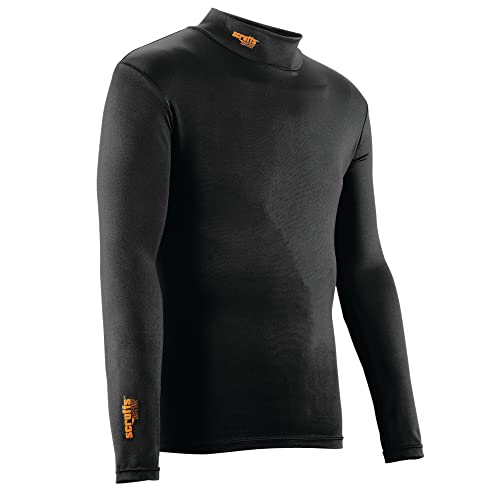
Scruffs Pro Base Layer Top
4.4/5 (2,840 reviews)

Scruffs Pro Base Layer Bottoms
4.3/5 (1,980 reviews)

Portwest S463 Hi-Vis Winter Bomber Jacket
4.5/5 (8,400 reviews)

Portwest S460 Hi-Vis Winter Traffic Jacket
4.4/5 (5,200 reviews)

DeWalt Storm Waterproof Work Jacket
4.4/5 (3,600 reviews)

DeWalt Heated Soft Shell Jacket Kit
4.5/5 (1,240 reviews)
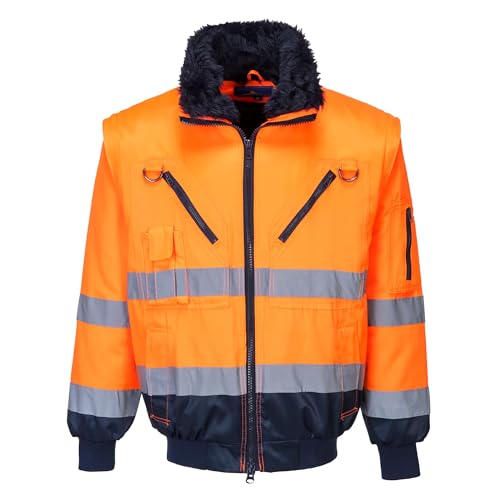
Portwest PJ50 Hi-Vis 3-in-1 Pilot Jacket
4.4/5 (2,850 reviews)
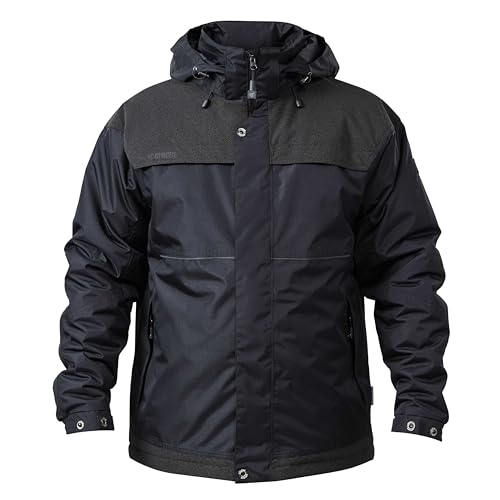
Apache ATS Waterproof Padded Work Jacket
4.4/5 (1,870 reviews)

Portwest C465 Hi-Vis 3-in-1 Bomber Jacket
4.4/5 (2,100 reviews)

Portwest F300 Hi-Vis Reflective Fleece Jacket
4.4/5 (4,800 reviews)
How to Choose Thermal Workwear: Buying Guide
Cold on a British site rarely arrives as a hard frost. It arrives as a damp base layer at 10am, a wind through the scaffold at 2pm and an hour of standing still while you wait for a delivery. The kit that copes is the kit that deals with sweat and wind, not just temperature.
Base layers: merino or synthetic
A base layer's job is to move sweat away from your skin, because wet skin loses heat many times faster than dry. Merino wool does this well and stays warm even when damp, it does not smell after three days, and it is soft. It also costs more, wears through at the elbows faster, and takes longer to dry. Synthetic polyester or polypropylene wicks faster, dries in an hour on the van heater, and shrugs off a hundred washes; the trade-off is it stinks by lunchtime on a hard day. The Scruffs Pro Base Layer Top (around £25) and Scruffs Pro Base Layer Bottoms (around £25) are synthetic with flatlock seams, so a harness or knee pads do not rub the seam into your skin. We do not list a merino set; if you sweat little and hate the smell, merino is worth seeking out, and if you graft hard synthetic is the better tool.
Insulated jackets and what the standards mean
Two European standards cover cold-weather workwear. EN 342 is for clothing that protects against cold in the harder sense, tested as a garment or ensemble for thermal insulation and air permeability. EN 14058 is the lighter standard for cool environments. A jacket that carries EN 342, like the Portwest S463 Hi-Vis Winter Bomber Jacket (around £50), has been tested for insulation rather than described as warm. Most trade jackets are not certified either way, and that is fine; it just means you are going on fill and reviews. The Portwest S460 Hi-Vis Winter Traffic Jacket (around £45) is the shorter, higher-cut version for roadside work. The DeWalt Storm Waterproof Work Jacket (around £60) and Apache ATS Waterproof Padded Work Jacket (around £50) are padded waterproofs without hi-vis, the Apache in black for jobs where a yellow jacket is wrong. The Portwest PJ50 Hi-Vis 3-in-1 Pilot Jacket (around £80) and Portwest C465 Hi-Vis 3-in-1 Bomber Jacket (around £60) split into shell and liner so one purchase covers October to March.
Layering for site versus cab
On site you are moving and then you are not, so three layers you can shed and add beat one heavy coat: base layer, a fleece like the Portwest F300 Hi-Vis Reflective Fleece Jacket (around £25), then the bomber or 3-in-1 over the top. Scaffolders and roofers get the wind first, so the outer layer needs a windproof shell more than extra fill. In a cab the problem inverts. A padded bomber restricts your shoulders on the wheel, bunches under the seat belt and cooks you once the heater is up, and the S463 reviews say exactly that. Drivers do better in base layer plus fleece in the cab, with the insulated jacket on the passenger seat for the walk-round and the tail-lift. Our HGV driver thermal guide goes through a full winter outfit for the cab.
Hi-vis thermal
If your site or your road work demands hi-vis, the certification is EN ISO 20471, with classes based on how much fluorescent and reflective material the garment carries. The PJ50 carries it. Two-tone yellow and black jackets like the C465 look the part but are not always certified because the black panels reduce the fluorescent area; check the listing if compliance matters. Wearing a certified vest over a plain padded jacket is the simple fix.
Heated jackets
The DeWalt Heated Soft Shell Jacket Kit (around £130) runs heating panels off a DeWalt tool battery, so if you already own the platform the battery is free. On the high setting expect two to four hours before it is a soft shell again, and the soft shell is showerproof rather than waterproof. It is the right tool for static cold work such as a sparky in a plant room or a driver waiting on a bay, and the wrong one for a scaffolder who is warm ten minutes after starting. For the mistakes people make buying all of this, read our thermal workwear mistakes piece.
We have not worn each jacket through a winter on a scaffold. Our picks come from the certification marked on the garment, manufacturer fabric details, and cross-referencing what UK tradespeople and drivers report in owner reviews about warmth, bulk in the cab and how the insulation holds up after washing. Standards references are general; check the listing for the actual certification on the item you buy.
Frequently Asked Questions
Synthetic if you graft hard and wash daily; it wicks faster, dries on the van heater and survives industrial washing. Merino if you sweat less, work longer days between washes and are happy paying more for something that stays warm damp and does not smell. The Scruffs Pro set is synthetic and does the job for most trades.