
Best Head Torches (2026)
Hands-free lighting that keeps up with the job. We have evaluated the brightest, longest-lasting head torches for electricians, plumbers, builders, and every trade working in low light.

A dependable head torch is essential for electricians working in lofts, plumbers under sinks, and any tradesperson on early-morning or late-evening call-outs. We have compared rechargeable and battery-powered models from Petzl, Ledlenser, and Nitecore, looking at lumen output, beam distance, battery life, comfort, and IP-rated weather resistance to help you pick the right one.
Hands-free lighting that keeps up with the job. We have evaluated the brightest, longest-lasting head torches for electricians, plumbers, builders, and every trade working in low light.
Quick Answer
The Petzl Actik Core at around £50 is the pick for most trades: 450 lumens with a flood and spot beam, a rechargeable pack that also takes three AAAs when you forget the cable, and a red mode. Electricians and plumbers working under sinks and in loft hatches are better served by the 28g Nitecore NU25 UL at around £35, which has a high-CRI mode that shows wire colours true. For a dark yard at 4am, the Ledlenser H7R Core at around £60 puts out 1000 lumens with a focusable beam.
Best for HGV Drivers
8 reviewedHeavy goods vehicle drivers operating Class 1 and Class 2 vehicles across long-haul and regional routes, needing gear that handles cab vibration, overnight stops, and all-weather motorway conditions
Read GuideBest for Electricians
10 reviewedQualified electricians working in domestic and commercial settings, dealing with tight spaces, poor lighting, and non-conductive gear requirements while driving between multiple jobs daily
Read GuideBest for Plumbers
10 reviewedPlumbers and heating engineers working in domestic and commercial properties, regularly dealing with wet environments, cramped cupboards, and emergency winter callouts that demand waterproof, durable gear
Read GuideBest for Builders
7 reviewedGeneral builders and construction workers on residential and commercial sites, facing rain, dust, heavy impacts, and strict CDM safety regulations that demand tough, compliant gear
Read GuideBest for Roofers
7 reviewedRoofing contractors working at height on residential and commercial buildings, exposed to wind and rain with no shelter, needing lightweight gear that stays secure on ladders and wet tiles
Read GuideBest for Scaffolders
7 reviewedScaffolding erectors and dismantlers working at height, hauling heavy steel tubes and fittings all day in one of the most physically demanding trades in construction
Read GuideBest for Carpenters
10 reviewedCarpenters and joiners splitting time between workshops and on-site installations, battling sawdust, sharp edges, and the need for precision while carrying expensive power tools in their vans
Read GuideBest for Painters & Decorators
8 reviewedPainters and decorators working in residential and commercial properties, needing easy-clean gear that survives paint splashes and white spirit while looking professional in occupied homes
Read GuideBest for Locksmiths
8 reviewedEmergency and residential locksmiths working alone at unsociable hours, often arriving at dimly lit properties at night where personal safety, focused lighting, and compact portable gear are essential
Read GuideBest for Landscape Gardeners
10 reviewedLandscape gardeners and groundskeepers working exclusively outdoors year-round, battling mud, rain, and heavy machinery vibration while needing fully waterproof boots and gear that cleans easily
Read GuideBest for Delivery Drivers
2 reviewedParcel, food, and goods delivery drivers using vans and cars, making dozens of stops daily in all weather and needing gear that handles constant engine restarts and slip-prone doorsteps
Read GuideBest for Van Drivers
8 reviewedCommercial van drivers operating medium-sized vehicles on congested urban streets and tight residential roads, carrying valuable tools that make parking mode dashcams and vibration-resistant mounts essential
Read GuideBest for Taxi Drivers
1 reviewedLicensed taxi and private hire drivers pulling long 10-12 hour shifts, needing discreet dual-facing dashcams for passenger dispute protection and gear built for all-day comfort and night driving
Read GuideBest for Ford Transit
4 reviewedFord Transit — the UK's most popular commercial van with over 400,000 on the road, offering wide accessory compatibility and straightforward dashcam hardwire installations via well-documented fuse slots
Read GuideBest for Mercedes Sprinter
4 reviewedMercedes Sprinter — premium large commercial van favoured by fleet operators and tradespeople needing bigger payloads, with a more complex CAN-bus electrical system that requires careful dashcam hardwiring
Read GuideBest for Mitsubishi Outlander PHEV
4 reviewedMitsubishi Outlander PHEV — popular plug-in hybrid SUV for tradespeople, with a dual-power electrical system that causes dashcam restarts when switching between petrol and EV mode unless properly hardwired
Read GuideBest for Citroen Berlingo
4 reviewedCitroen Berlingo — compact commercial van popular with electricians, plumbers, and locksmiths for urban work, with a smaller windscreen that needs careful dashcam placement and compact camera models
Read GuideAll Head Torches We've Reviewed
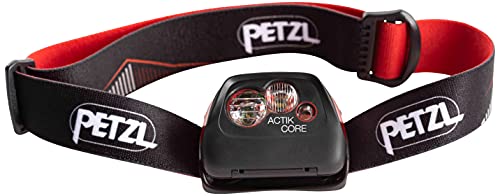
Petzl Actik Core
4.6/5 (2,100 reviews)

Ledlenser H7R Core
4.5/5 (1,600 reviews)

Nitecore NU25 UL
4.7/5 (980 reviews)

Black Diamond ICON 700
4.2/5 (333 reviews)

Fenix HM65R
3.9/5 (504 reviews)

Nitecore HC33
4.3/5 (176 reviews)

Ledlenser H8R
4.2/5 (5,052 reviews)

Silva CR60 Headlamp
4.2/5 (111 reviews)

Petzl Bindi
4.6/5 (1,799 reviews)

Ledlenser H14R.2
4.2/5 (7,674 reviews)
How to Choose Head Torches: Buying Guide
Head torches get sold on one number, and it is the least useful one. Here is what actually decides whether a torch is good under a sink, in a loft, or on a walk-round check in a wet yard.
Lumens are not the whole story
Lumens measure total light out of the lens. They say nothing about where it goes or for how long. A torch rated at 1000 lumens usually holds that for a few minutes before stepping down to protect the battery and the LED, then runs the rest of the shift at a third of that. The Fenix HM65R (around £70) and Nitecore HC33 (around £50) both post big numbers, 1400 and 1800 lumens, and both drop sharply at full output. Meanwhile the Petzl Bindi (around £50) at 200 lumens is plenty to wire a socket, because the light is a metre from your hands. The Silva CR60 Headlamp (around £30) at 60 lumens is the floor: fine for reading a meter, not for a dark plant room.
Beam pattern decides the job
A flood beam spreads light wide and even for close work, so under a bath panel you see the whole compression fitting and not a bright circle with black edges. A spot beam throws a narrow cone a long way for walking a yard or checking a roof from the ground. Focusable torches like the Ledlenser H7R Core (around £60), Ledlenser H8R (around £60) and Ledlenser H14R.2 (around £70) twist between the two. The Fenix HM65R runs two LEDs, one for each. Electricians should also look at colour: a cheap cool-white LED turns brown, grey and black cores into three shades of the same thing. The HC33's neutral white LED and the Nitecore NU25 UL (around £35) high-CRI mode render colour close to daylight. Our electricians' head torch guide goes into that in detail.
Rechargeable, 18650 or AAA
Built-in rechargeable packs, as on the H7R Core, NU25 UL and Bindi, are the least hassle: plug in on the dash, done. The catch is that when they are flat, you are done too. The H8R and HC33 run a removable 18650 cell, so you can carry a spare, but you need to buy and look after the cells. The Petzl Actik Core (around £50) is the hedge: a rechargeable pack that swaps for three AAAs from any garage. The Silva CR60 is AAA only. Lithium packs lose capacity in the cold, so a torch that ran all night in September will be dimming by midnight in January. The H14R.2 keeps its battery in a box at the back of the head, which balances the weight but is a nuisance under a hard hat.
IP ratings
IPX4 means splash-proof, enough for rain and a wet loft. IPX6 stands up to a hose or a burst pipe in the face; the H7R Core, HC33 and Fenix carry it. IPX8 means it survives being dropped in the bath you are plumbing, and only the Black Diamond ICON 700 (around £70) claims it here. Most trades are fine at IPX4; plumbers and anyone on groundworks should push for IPX6.
Red light, and why drivers want it
Red mode keeps your night vision and does not blind the person next to you. For an HGV driver doing a walk-round check or coupling up at 4am in a dark truck stop, it is also the difference between seeing the yard afterwards and seeing a green blob. The Actik Core, Bindi, NU25 UL, ICON 700, HC33 and Silva all have it; the H7R Core does not. The H8R goes one further with a red rear light so you are seen from behind on a hard shoulder. Our HGV driver head torch guide covers that use in more depth.
Strap comfort under a hard hat
A thin elastic strap slides straight off a smooth hard hat. Look for a helmet clip set, or a strap with silicone grip on the inside. Weight matters more than you think: 28g for the NU25 UL or 35g for the Bindi disappears; a 200g dual-head unit pulls the hat forward over a long day. Rear battery boxes foul the hard hat's rear adjuster, so if you live in a hat, pick a torch with everything at the front.
We have not measured beam output in a lab. Our picks come from cross-referencing manufacturer runtime charts and IP ratings with what UK tradespeople and drivers report in owner reviews about strap slip, cold-weather runtime and how the torches hold up to being dropped. Where a spec looked like a marketing number rather than a measured one, we have said so.
Frequently Asked Questions
For close work under a metre, 200 to 400 lumens is plenty and anything more just reflects back off white pipework. For walking a dark yard or lighting a whole loft, 500 to 1000 lumens is useful. Check the runtime at the level you will actually use; most torches only hold their headline figure for a few minutes.