
Best Power Drills (2026)
Find a cordless drill that earns its place in your kit bag. We have compared the top 18V combi drills from Makita, DeWalt, Bosch, and Milwaukee for professional trade use.

A cordless combi drill is the workhorse of any tradesperson's kit, handling everything from drilling masonry to driving coach screws. We have compared 18V brushless and brushed models from Makita, DeWalt, Bosch Professional, Ryobi, and Milwaukee, evaluating torque settings, chuck quality, battery life, ergonomics, and whether the drill justifies its price for daily professional use on UK sites.
Find a cordless drill that earns its place in your kit bag. We have compared the top 18V combi drills from Makita, DeWalt, Bosch, and Milwaukee for professional trade use.
Quick Answer
For most trades, an 18V brushless combi drill is the sweet spot. Brushless motors run cooler and squeeze more work from each charge, while the combi format handles wood, metal and masonry. The bigger decision is the battery platform — DeWalt, Makita, Bosch or Milwaukee — because that choice locks in every cordless tool you buy after.
Best for HGV Drivers
3 reviewedHeavy goods vehicle drivers operating Class 1 and Class 2 vehicles across long-haul and regional routes, needing gear that handles cab vibration, overnight stops, and all-weather motorway conditions
Read GuideBest for Electricians
10 reviewedQualified electricians working in domestic and commercial settings, dealing with tight spaces, poor lighting, and non-conductive gear requirements while driving between multiple jobs daily
Read GuideBest for Plumbers
10 reviewedPlumbers and heating engineers working in domestic and commercial properties, regularly dealing with wet environments, cramped cupboards, and emergency winter callouts that demand waterproof, durable gear
Read GuideBest for Builders
10 reviewedGeneral builders and construction workers on residential and commercial sites, facing rain, dust, heavy impacts, and strict CDM safety regulations that demand tough, compliant gear
Read GuideBest for Roofers
10 reviewedRoofing contractors working at height on residential and commercial buildings, exposed to wind and rain with no shelter, needing lightweight gear that stays secure on ladders and wet tiles
Read GuideBest for Scaffolders
9 reviewedScaffolding erectors and dismantlers working at height, hauling heavy steel tubes and fittings all day in one of the most physically demanding trades in construction
Read GuideBest for Carpenters
10 reviewedCarpenters and joiners splitting time between workshops and on-site installations, battling sawdust, sharp edges, and the need for precision while carrying expensive power tools in their vans
Read GuideBest for Painters & Decorators
10 reviewedPainters and decorators working in residential and commercial properties, needing easy-clean gear that survives paint splashes and white spirit while looking professional in occupied homes
Read GuideBest for Locksmiths
10 reviewedEmergency and residential locksmiths working alone at unsociable hours, often arriving at dimly lit properties at night where personal safety, focused lighting, and compact portable gear are essential
Read GuideBest for Landscape Gardeners
10 reviewedLandscape gardeners and groundskeepers working exclusively outdoors year-round, battling mud, rain, and heavy machinery vibration while needing fully waterproof boots and gear that cleans easily
Read GuideBest for Delivery Drivers
6 reviewedParcel, food, and goods delivery drivers using vans and cars, making dozens of stops daily in all weather and needing gear that handles constant engine restarts and slip-prone doorsteps
Read GuideBest for Van Drivers
4 reviewedCommercial van drivers operating medium-sized vehicles on congested urban streets and tight residential roads, carrying valuable tools that make parking mode dashcams and vibration-resistant mounts essential
Read GuideBest for Taxi Drivers
3 reviewedLicensed taxi and private hire drivers pulling long 10-12 hour shifts, needing discreet dual-facing dashcams for passenger dispute protection and gear built for all-day comfort and night driving
Read GuideBest for Ford Transit
4 reviewedFord Transit — the UK's most popular commercial van with over 400,000 on the road, offering wide accessory compatibility and straightforward dashcam hardwire installations via well-documented fuse slots
Read GuideBest for Mercedes Sprinter
3 reviewedMercedes Sprinter — premium large commercial van favoured by fleet operators and tradespeople needing bigger payloads, with a more complex CAN-bus electrical system that requires careful dashcam hardwiring
Read GuideBest for Mitsubishi Outlander PHEV
3 reviewedMitsubishi Outlander PHEV — popular plug-in hybrid SUV for tradespeople, with a dual-power electrical system that causes dashcam restarts when switching between petrol and EV mode unless properly hardwired
Read GuideBest for Citroen Berlingo
1 reviewedCitroen Berlingo — compact commercial van popular with electricians, plumbers, and locksmiths for urban work, with a smaller windscreen that needs careful dashcam placement and compact camera models
Read GuideAll Power Drills We've Reviewed

Bosch EasyImpact 18V-38 Cordless Combi Drill
4.4/5 (3,200 reviews)

Bosch Cordless Combi Drill EasyImpact 18V-40
4.5/5 (5,400 reviews)

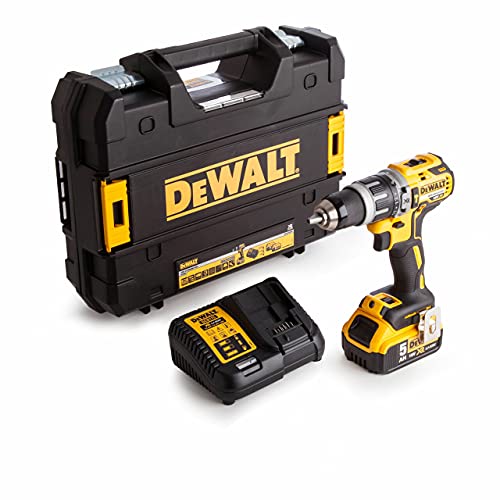
DeWalt GG107 18V Combi Drill XR
4.6/5 (7,200 reviews)

DeWalt XR 18V Brushless Combi Drill
4.7/5 (4,800 reviews)

Makita 18V Cordless Combi Drill with Batteries
4.6/5 (3,100 reviews)

Bosch Professional GSB 18V Combi Drill
4.6/5 (2,900 reviews)
Bosch EasyImpact 18V-40 with 2 x 2.0Ah Batteries
4.5/5 (2,100 reviews)
Ryobi ONE+ 18V Cordless Combi Drill
4.4/5 (6,100 reviews)

Milwaukee M18 BPDB Cordless Combi Drill
4.6/5 (1,800 reviews)

DeWalt XR 18V Cordless Combi Drill Body Only
4.6/5 (4,200 reviews)
How to Choose Power Drills: Buying Guide
Picking a power drill is less about the drill and more about what you're plugging it into. Spend five minutes thinking about the motor, the voltage and the battery system and you'll avoid the two mistakes we see most: buying underpowered, or getting stuck on a platform you regret.
Brushless vs brushed — does it matter?
For occasional jobs, a brushed motor is fine and saves money. For daily trade use, brushless earns its keep. There's no friction from carbon brushes, so the motor runs cooler, lasts longer and pulls noticeably more work from each charge. The DeWalt XR 18V Brushless shows the upside — 60Nm of torque and runtime that brushed drills can't match. The cheaper Bosch EasyImpact 18V-38 is brushed, and Bosch are honest that the motor wears faster under heavy use. If the drill's getting used most days, pay for brushless.
12V or 18V?
12V drills are light, short and brilliant for first-fix, kitchen fitting and anything overhead where wrist fatigue is real. But they run out of grunt on masonry and big bits. 18V is the workhorse voltage for general trade — it covers brick, joists and decent-sized holes without complaint. Most kits here are 18V for that reason. If you do a lot of ceiling and cabinet work, a 12V as a second drill makes sense.
Combi, drill driver or SDS?
A combi adds a hammer mode, so it'll punch into brick and breeze block as well as drive screws and drill timber. A plain drill driver skips the hammer — lighter, but no masonry. For serious concrete or chasing, neither is enough; you want a dedicated SDS-plus. Every drill on this page is a combi, which is the right all-rounder for most trades.
Torque, chuck and battery lock-in
Torque tells you driving and drilling muscle. Around 38-40Nm (the Bosch EasyImpact 18V-40) copes with most domestic and light trade work; 55-60Nm (the Bosch Professional GSB or Milwaukee M18) handles masonry and stubborn fixings. A 13mm keyless chuck is standard and takes most bits.
The part people underestimate is platform lock-in. Once you own DeWalt, Makita, Bosch or Milwaukee batteries, you buy that brand's tools to share them. Makita's LXT spans 200+ tools; DeWalt XR and Milwaukee M18 are the site standards; Bosch and Ryobi ONE+ are kinder on the wallet. Pick the ecosystem before the drill.
Kit or bare?
New to a platform? Buy the kit — the DeWalt GG107 or Makita LXT come with two batteries and a charger, so you're working straight away. Already invested? A bare body like the DeWalt XR Body Only saves a packet because you've already got the batteries.
We don't physically test these drills. Our picks come from cross-referencing thousands of owner reviews, comparing the manufacturer specs that actually matter to trades — torque, voltage, brushless vs brushed and battery platform — and weighing build quality against real-world feedback from people using these tools daily. Always check current price and the latest battery configuration before buying.
Frequently Asked Questions
For trade use, yes. Brushless motors have no carbon brushes rubbing away, so they run cooler, last longer and get more work done per charge. You'll feel it on a long day of drilling and driving. For the odd weekend job, a cheaper brushed drill is perfectly fine — the premium only pays off with regular, heavy use.